
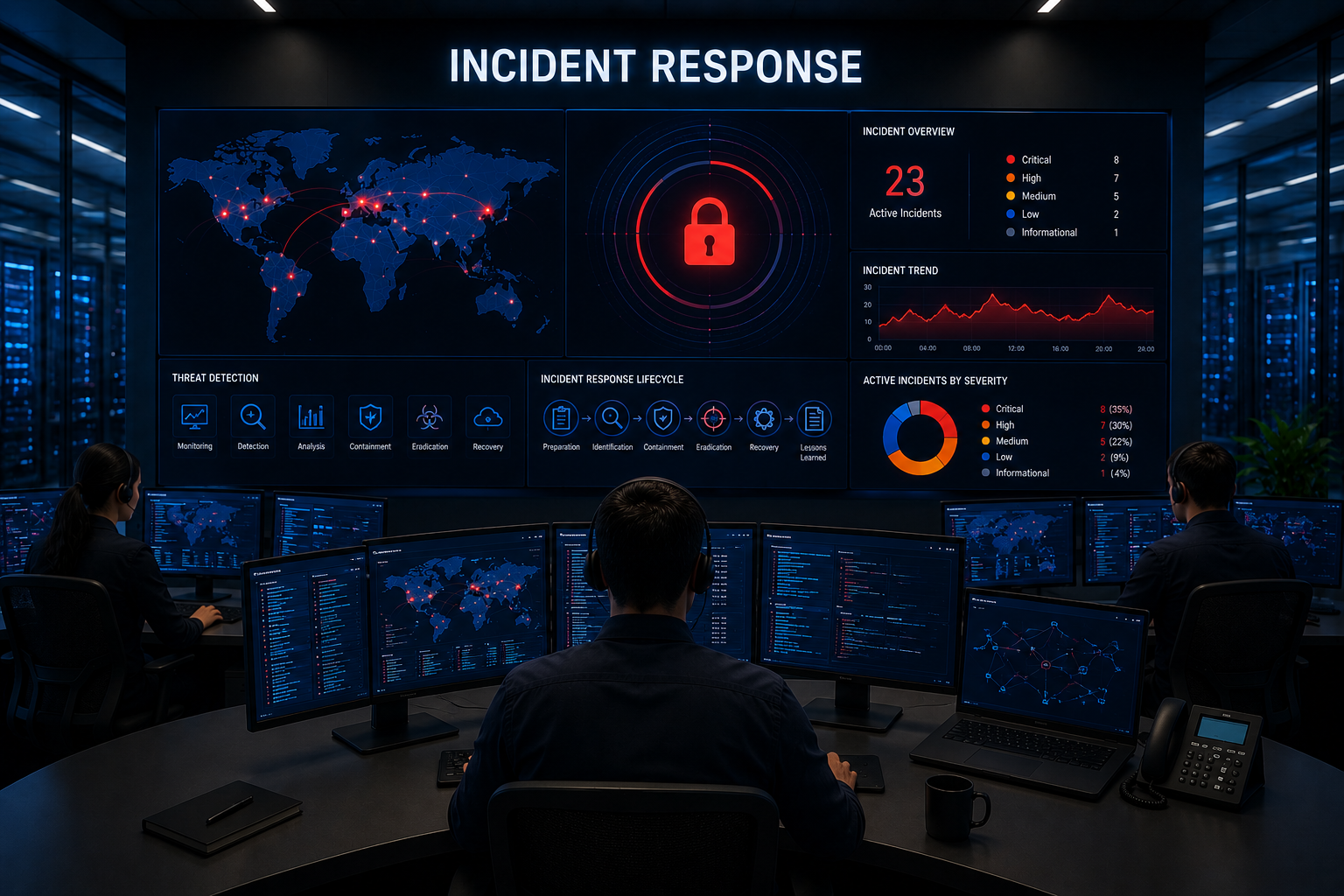
Incident response is a critical part of an organization’s cybersecurity strategy. It helps organizations effectively handle security incidents, minimize damage, and improve their overall security posture. An efficient and well-prepared incident response plan can make a significant difference in how an organization responds to and recovers from cyber incidents.
XeneX Incident response is an organized and structured approach taken by individuals or organizations to handle and manage cybersecurity incidents, data breaches, or any other unexpected events that could potentially harm the confidentiality, integrity, or availability of information systems and data. The primary goal of XeneX incident response is to minimize the impact of the incident, mitigate the damage, and restore normal operations as quickly as possible.
XeneX patch management is the process of identifying, applying, and managing updates, fixes, and patches across software, operating systems, applications, and firmware in a timely and automated manner. It is a foundational component of modern cybersecurity because unpatched systems are among the most common entry points exploited by attackers.
By regularly applying patches, organizations significantly reduce their exposure to known security vulnerabilities, improve system stability, and operate with greater confidence in the security of their digital infrastructure. Whether you are an individual user or managing a large enterprise environment, a robust patch management strategy is essential to staying protected against constantly evolving threats.
XeneX automated patch management takes a proactive approach to closing the security gaps that cybercriminals most commonly exploit. When software vulnerabilities are discovered, attackers move quickly to take advantage of unpatched systems. XeneX ensures that patches are identified and deployed in a timely manner, eliminating these vulnerabilities before they can be used as an attack vector.
This proactive risk mitigation approach reduces the likelihood of ransomware, malware, and other exploit based attacks succeeding against your environment, and significantly lowers the overall risk of a data breach or operational disruption caused by a preventable vulnerability.
Many regulatory frameworks and industry standards require organizations to demonstrate that their systems are kept up to date with the latest security patches. XeneX patch management helps organizations meet these compliance requirements by providing a systematic, documented process for applying updates across all covered systems and applications.
Maintaining vendor support is also a compliance consideration for many organizations, and XeneX ensures systems remain within supported versions to preserve both security coverage and vendor relationships. This reduces the risk of audit failures, penalties, and reputational damage that can result from operating outdated or unpatched systems.
Patches are not only released to address security issues. They also include bug fixes and performance improvements that directly enhance the stability and reliability of your systems. XeneX patch management ensures these updates are applied consistently, reducing the frequency of system crashes, errors, and unexpected behavior that disrupt daily operations.
By minimizing unplanned downtime and keeping systems running efficiently, XeneX patch management supports employee productivity and ensures that business critical applications remain available and performant. Automated patch deployment also removes the manual burden from IT teams, freeing them to focus on higher value security and operational tasks.
XeneX patch management delivers significant long-term value across security, operations, and cost management. By preventing successful cyberattacks and data breaches before they occur, organizations avoid the substantial financial and reputational costs associated with incident response, recovery, regulatory fines, and lost customer trust.
Over time, consistent patch management also extends the longevity of software and systems by keeping them within supported lifecycles, reduces the cost of emergency remediation, and ensures sensitive data remains protected from exploitation. Organizations that invest in automated patch management position themselves as secure, reliable, and trustworthy partners in the eyes of their customers and stakeholders.
